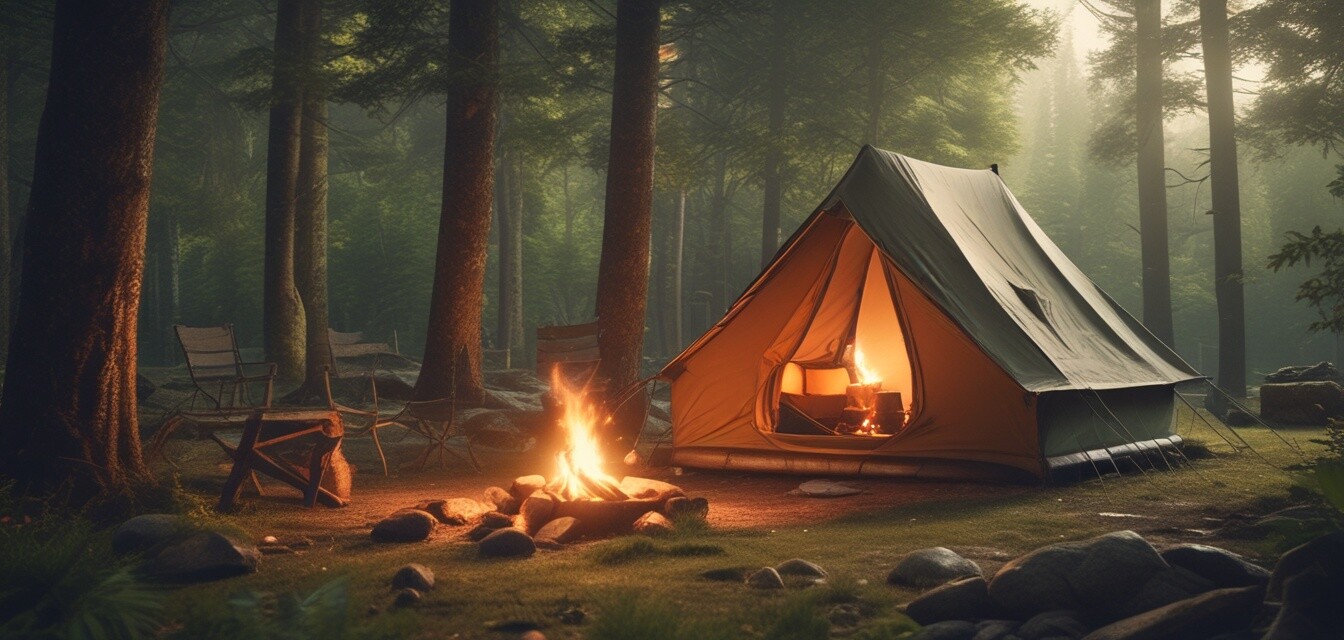
How to Set Up Camp: A Beginner’s Guide
Key Takeaways
- Choose the right location for your campsite.
- Prepare your equipment before leaving home.
- Set up your tent securely and safely.
- Organize your gear for easy access.
- Respect nature while enjoying your camping experience.
Setting up camp for the first time can be exciting yet daunting. However, with the right steps and preparations, you can ensure a comfortable experience. This guide provides a detailed, step-by-step approach to setting up a campsite efficiently and with ease.
1. Choosing the Right Location
Selecting the perfect campsite is the first step toward a memorable camping experience. Here are some tips on what to look for:
| Location Criteria | Why It Matters |
|---|---|
| Flat, dry ground | To ensure a good night's sleep and prevent water accumulation in case of rain. |
| Away from water sources | To avoid flooding and to minimize attracting animals. |
| Natural windbreaks | To shield yourself from strong winds. |
| Proximity to hiking trails | To provide easy access to outdoor activities. |
| Sunlight exposure | To warm up the tent in the morning but shade in the heat of the day. |
2. Preparing Your Equipment
Before you head out, make sure you have all your camping gear sorted and ready. Visit our detailed guide on Camping Buying Guides to get insights on essential equipment.
Essential Gear Checklist
- Tent and stakes
- Sleeping bag
- Sleeping pad or air mattress
- Cooking equipment (stove, utensils)
- Food and snacks
- First aid kit
- Lantern or headlamp
- Backpack for day hikes
3. Setting Up the Tent
Your tent is your home away from home. Follow these steps to set it up:
- Unpack the tent: Lay out the components – tent body, rainfly, and tent poles.
- Identify the setup area: Clear any debris or rocks from the tent area.
- Assemble the poles: Connect the poles according to the tent instructions.
- Insert poles into the tent: Connect the poles to the tent body.
- Stake it down: Use stakes to secure your tent to the ground.
- Add the rainfly: Secure the rainfly to provide extra protection.
4. Organizing Your Gear
Once your tent is up, it’s time to organize your gear for easy access:
- Designate a spot for cooking gear and food.
- Keep your sleeping area clean and clutter-free.
- Store clothes in dry bags or storage bins.
- Have a specific area for trash and recycling.
5. Setting Up a Campfire
A campfire is an essential part of the camping experience but must be set up correctly:
- Choose a safe location: Look for a fire pit or a place away from tents and flammable materials.
- Use dry wood: Gather tinder, kindling, and logs for the fire.
- Build the fire: Start with a base of tinder, followed by kindling, and then add logs gradually.
- Monitor the fire: Never leave it unattended and have water or sand on hand to extinguish it.
6. Respecting Nature
Always leave no trace and respect the environment during your camping adventures. Here are key principles to follow:
- Pack out all waste.
- Stay on designated trails.
- Respect wildlife and their habitats.
- Use biodegradable soap for cleaning.
- Keep noise levels down to enjoy the serenity of nature.
Final Thoughts
Setting up camp can be an enjoyable and fulfilling activity, especially for beginners. By following these steps and tips, you’ll create a comfortable and safe space to unwind and enjoy nature. For more camping insights, check our articles on Tents and Shelters and Camping Coolers. Don’t forget to browse our other tips for beginners for more useful information!
Pros
- Enjoying the great outdoors.
- Building self-sufficiency skills.
- Creating lasting memories with family and friends.
Cons
- Weather can be unpredictable.
- Setting up can be physically demanding.
- Insects and wildlife may pose challenges.