Weather-Appropriate Clothing
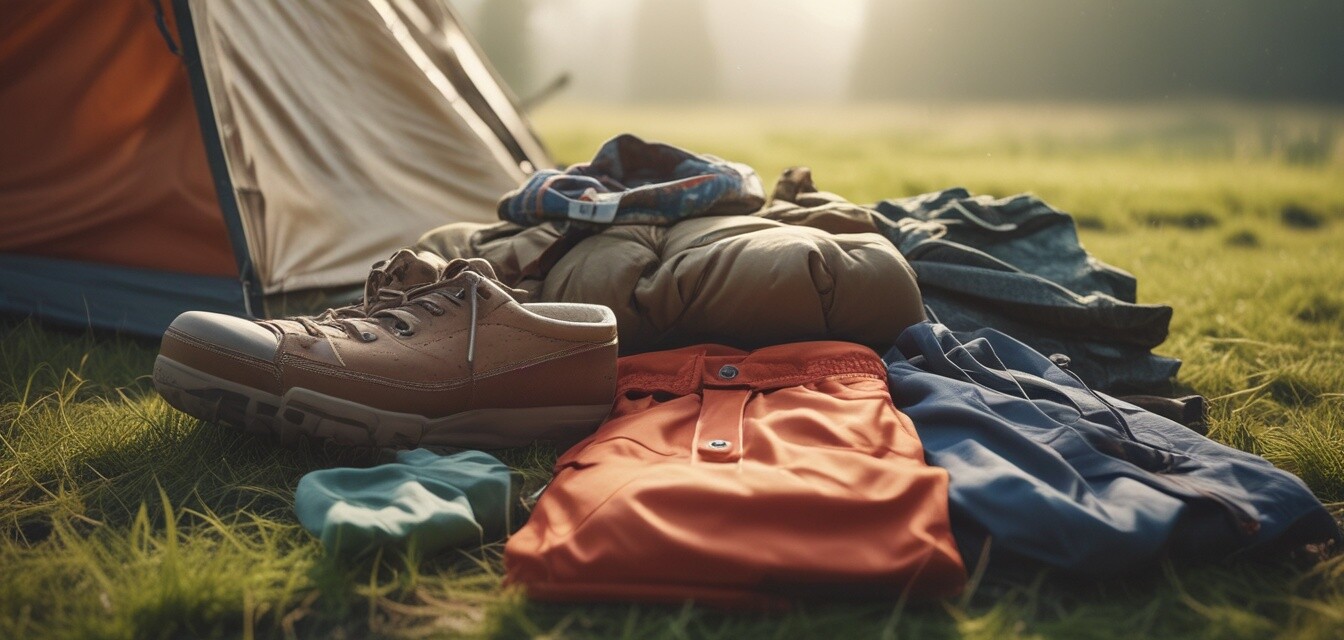
Choosing the right clothing for different weather conditions is essential for novice campers. This guide will help you understand how to select clothing that keeps you comfortable and protected while enjoying the great outdoors.
Key Takeaways
- Understanding the weather conditions is crucial for selecting appropriate clothing.
- Layering is a practical approach to adapting to changing temperatures.
- Choosing moisture-wicking fabrics helps keep you dry and comfortable.
- Always consider the activities you'll be doing while camping before packing your clothing.
Understanding Weather Conditions
Weather conditions can vary greatly, and understanding them is key to making informed decisions about your camping attire. Here are the main weather types you might encounter:
| Weather Type | Description | Clothing Recommendations |
|---|---|---|
| Sunny | Clear skies and warm temperatures. | Lightweight, breathable fabrics; hats; sunglasses. |
| Rainy | Frequent rain showers and cooler temperatures. | Waterproof jackets; moisture-wicking layers; quick-dry pants. |
| Cold | Low temperatures, possible snow or frost. | Insulated jackets; thermal layers; gloves; beanies. |
| Windy | Strong winds that can make temperatures feel colder. | Windbreakers; layered clothing; sturdy footwear. |
Layering Your Clothing
Layering is a practical way to manage varying temperatures while camping. Below are the three main layers to consider:
- Base Layer: This layer is worn next to your skin. Look for moisture-wicking materials that help keep you dry.
- Insulation Layer: This layer retains body heat. Fleece or down jackets are excellent choices for warmth in cold conditions.
- Outer Layer: The outermost layer protects you from wind, rain, and other elements. Choose waterproof and breathable materials.
Base Layer Options
When selecting a base layer, consider the fabric options:
| Fabric Type | Benefits | Drawbacks |
|---|---|---|
| Merino Wool | Warm, moisture-wicking, odor-resistant. | Can be more expensive. |
| Synthetic Fabrics | Quick-drying, lightweight, cost-effective. | May retain odors over time. |
| Silk | Lightweight and comfortable. | Less durable and less moisture-wicking. |
Insulation Layer Choices
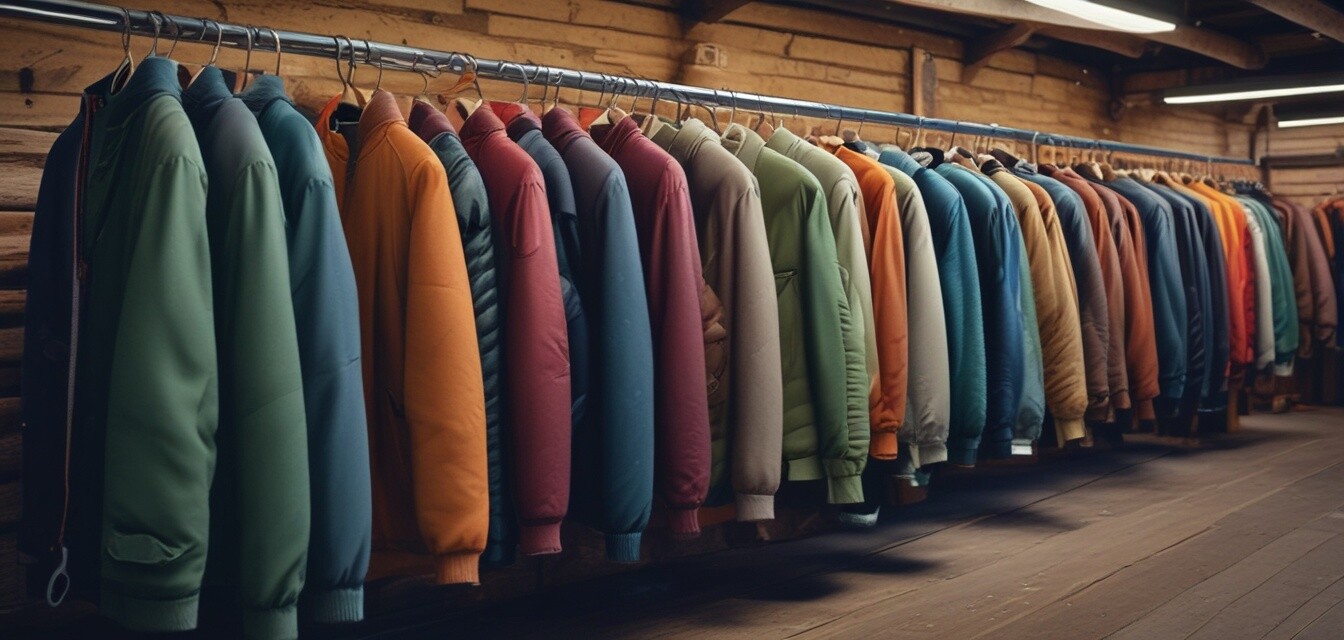
Your insulation layer is crucial for staying warm. Here are some popular choices:
- Fleece jackets
- Down jackets
- Synthetic insulation jackets
Outer Layer Considerations
Choosing the right outer layer is vital for protection against the elements. Consider these aspects:
- Waterproofing: Look for jackets with a waterproof rating.
- Breathability: Ensure the material allows sweat to escape.
- Fit: Make sure your outer layer fits well over your insulation layer.
Choosing the Right Footwear
Footwear is a critical component of your camping attire, especially in varying weather conditions. Here are some tips for selecting appropriate footwear:
- Choose waterproof and breathable boots for rainy conditions.
- Opt for insulated boots in cold weather.
- Wear lightweight shoes for sunny, dry conditions.
Accessories for Different Weather Conditions
Don't forget about essential accessories that can enhance your camping experience:
- Hats: Protect your head and face from the sun.
- Gloves: Keep your hands warm in cold weather.
- Scarves: Protect your neck from wind and cold.
- Socks: Invest in moisture-wicking socks to prevent blisters.
Tips for Beginners
Beginner Tips
- Start with a few essential layers and add more as you gain experience.
- Test your clothing at home before heading out to ensure comfort and fit.
- Pack extra clothing in case of unexpected weather changes.
- Research the climate of your camping destination ahead of time.
Pros
- Staying comfortable increases your enjoyment of the camping experience.
- Proper clothing can protect you from the elements.
- Layering allows for versatility in changing weather conditions.
Cons
- Investing in quality gear can be expensive.
- Overpacking can lead to a heavy backpack.
- Choosing the wrong clothing can lead to discomfort.
Conclusion
Choosing the right clothing for your camping adventure is essential for ensuring a safe and enjoyable experience. By understanding the weather conditions, utilizing layering techniques, and selecting appropriate footwear and accessories, you can be well-prepared for your expedition. For more information on camping gear, check out our other sections on backpacks and bags, clothing and footwear, and cooking equipment.