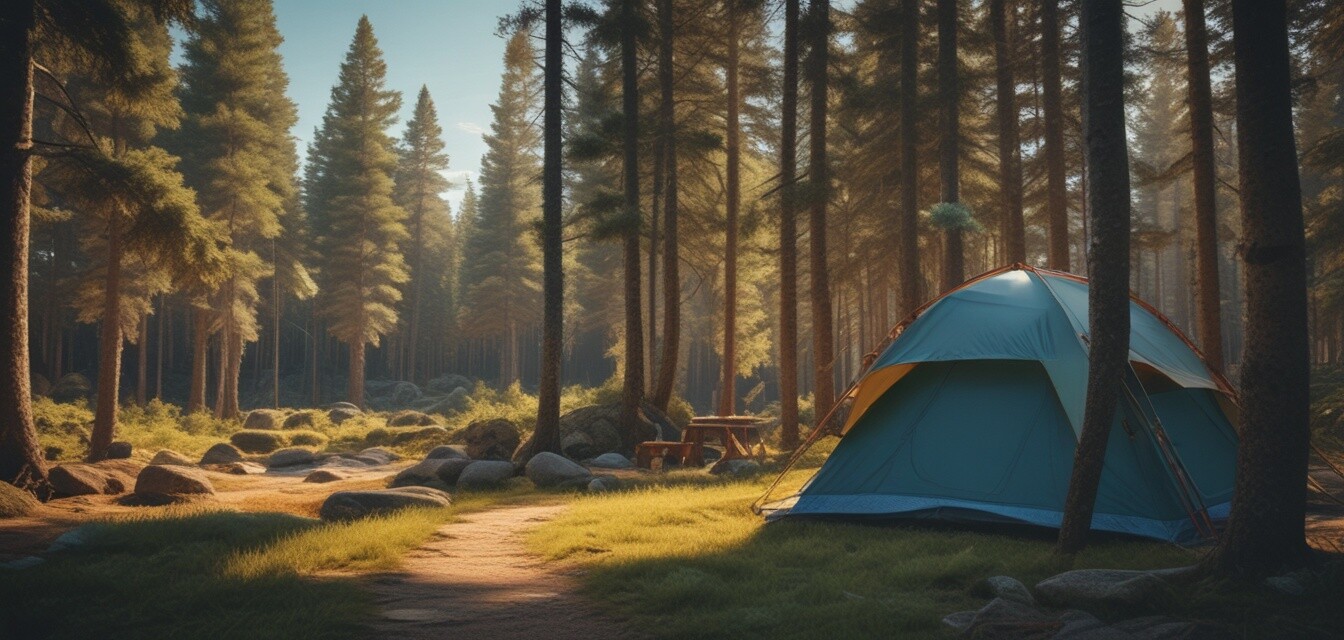
Tent selection for beginners
Key takeaways
- Understand the different types of tents available.
- Consider the size of the tent based on your group size and gear.
- Look for essential features like waterproofing and ventilation.
- Choose a tent that suits your camping style and environment.
Choosing the right tent is crucial for a successful camping experience. As a beginner, you may find the multitude of options available overwhelming. This guide aims to simplify the process by breaking down the various types, sizes, and features you should consider when selecting a tent.
Types of tents
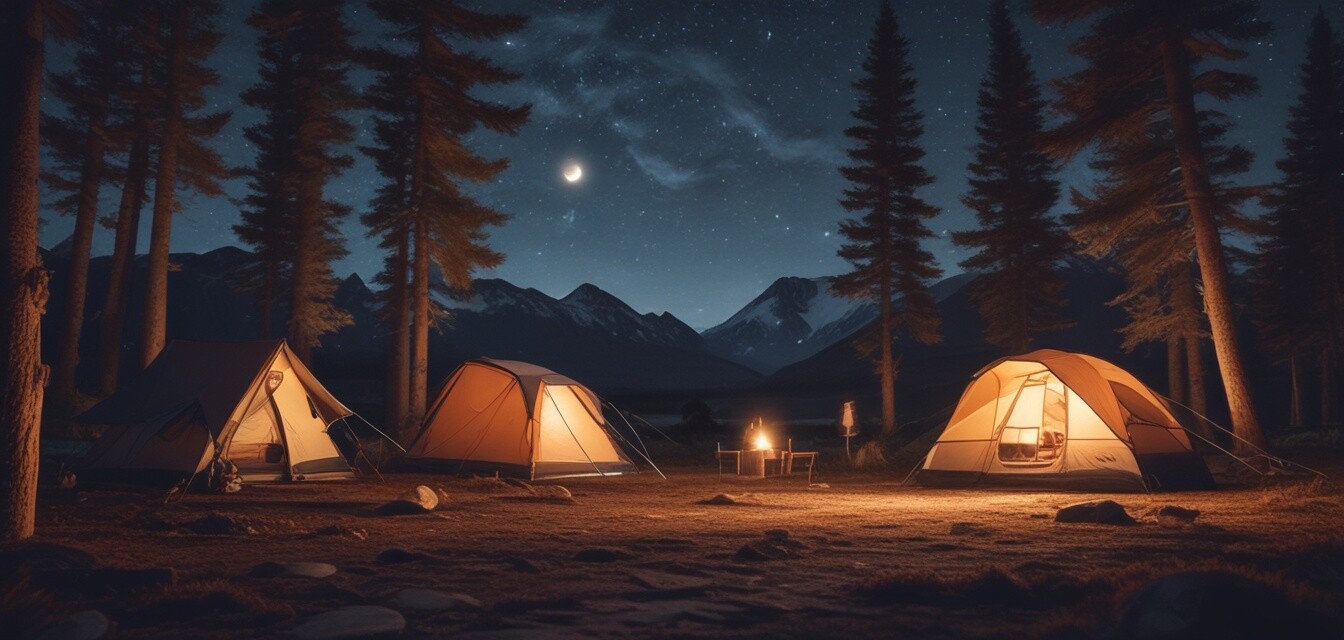
Tents come in various styles, each designed for different camping experiences. Below is a breakdown of the most common types:
| Type of Tent | Description | Best For |
|---|---|---|
| Dome tents | Easy to set up, stable in wind, and roomy. | General camping and family trips. |
| Backpacking tents | Lightweight and compact, designed for easy transport. | Solo or small group backpacking. |
| Cabin tents | Spacious with vertical walls, often include dividers. | Family camping with lots of gear. |
| Pop-up tents | Quick to set up; opens automatically. | Casual camping and festivals. |
| 4-season tents | Designed for extreme weather conditions; highly durable. | Winter camping and mountaineering. |
Choosing the right size
The size of the tent is one of the most important factors to consider. Here’s a simple guide to help you decide:
- 2-person tent: Ideal for couples or solo campers who want extra space for gear.
- 4-person tent: Suitable for small families or groups who want a comfortable fit.
- 6-person tent: Great for larger families or groups, providing ample space for everyone.
- 8-person tent: Best for larger gatherings or family trips with lots of gear.
Consider your gear
When selecting the size, also take into account the gear you'll be bringing. If you plan to store backpacks, cooking equipment, and other gear inside the tent, you may want to opt for a larger size.
Essential features to look for
When shopping for a tent, consider the following features:
- Waterproofing: Look for tents with a high waterproof rating and sealed seams to ensure you stay dry in the rain.
- Ventilation: Good airflow prevents condensation inside the tent. Check for mesh windows and vents.
- Setup time: Some tents are easier to set up than others. Practice setting up your tent at home before your trip.
- Weight: If you’re backpacking, consider a lightweight tent that won’t add too much weight to your pack.
- Durability: Choose materials that can withstand wear and tear, especially if you plan to camp frequently.
Where to camp
The location of your camping can affect your tent choice. Here are a few points to consider:
| Camping Location | Type of Tent Recommended |
|---|---|
| Forest | Dome or cabin tents for stability and comfort. |
| Beach | Water-resistant tents with good ventilation. |
| Mountain | 4-season tents to handle wind and snowfall. |
| Backcountry | Lightweight backpacking tents for easy transport. |
Tips for beginners
Beginner's tips
- Always practice setting up your tent at home before your trip.
- Consider weather conditions and choose a tent that can handle them.
- Read reviews from other campers to learn about their experiences with different tents.
- Don’t forget to check for any extra accessories you might need, like a footprint or rainfly.
- Join local camping forums or groups for advice and support from experienced campers.
Frequently asked questions
Here are some common questions beginners ask when selecting a tent:
How do I know what size tent I need?
Consider the number of people camping and how much gear you plan to bring. It's often wise to choose a tent that accommodates more than just the number of campers for added comfort.
What is the best material for a tent?
Look for tents made of durable materials like nylon or polyester, which offer good waterproofing and longevity.
Can I use a 3-season tent in winter?
While 3-season tents can handle light winter camping, a 4-season tent is recommended for heavy snowfall and high winds.
Conclusion
Selecting the right tent is essential for a pleasurable camping experience. By understanding the different types of tents, sizes, and features, you can make an informed decision that meets your camping needs. Remember to take your time, do your research, and enjoy your journey into the great outdoors!
Pros
- Diverse options for various camping styles.
- Comfortable sleeping space for multiple people.
- Protection from weather elements.
- Easy to set up with practice.
Cons
- Can be expensive for high-quality models.
- Weight can be a concern for backpacking.
- Setup can be tricky for some models.
- Durability varies by brand and material.
Related Resources
Check out our other guides for more information on camping gear: