Sleeping Bags and Pads Basics
Key Takeaways
- Understand different types of sleeping bags and pads.
- Learn about temperature ratings and insulation materials.
- Find tips for choosing the right sleeping gear for your camping adventures.
As a beginner camper, choosing the right sleeping gear is crucial for a comfortable night outdoors. This article will explore the basics of sleeping bags and pads, helping you make informed decisions for your camping needs.
Types of Sleeping Bags
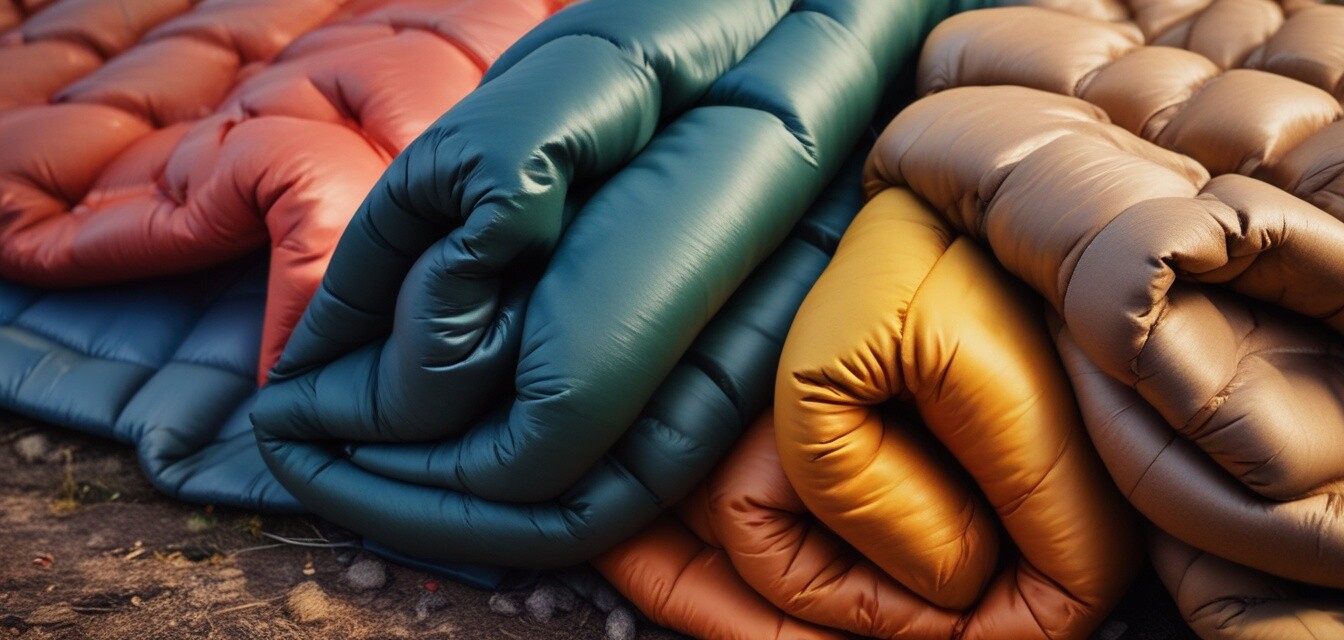
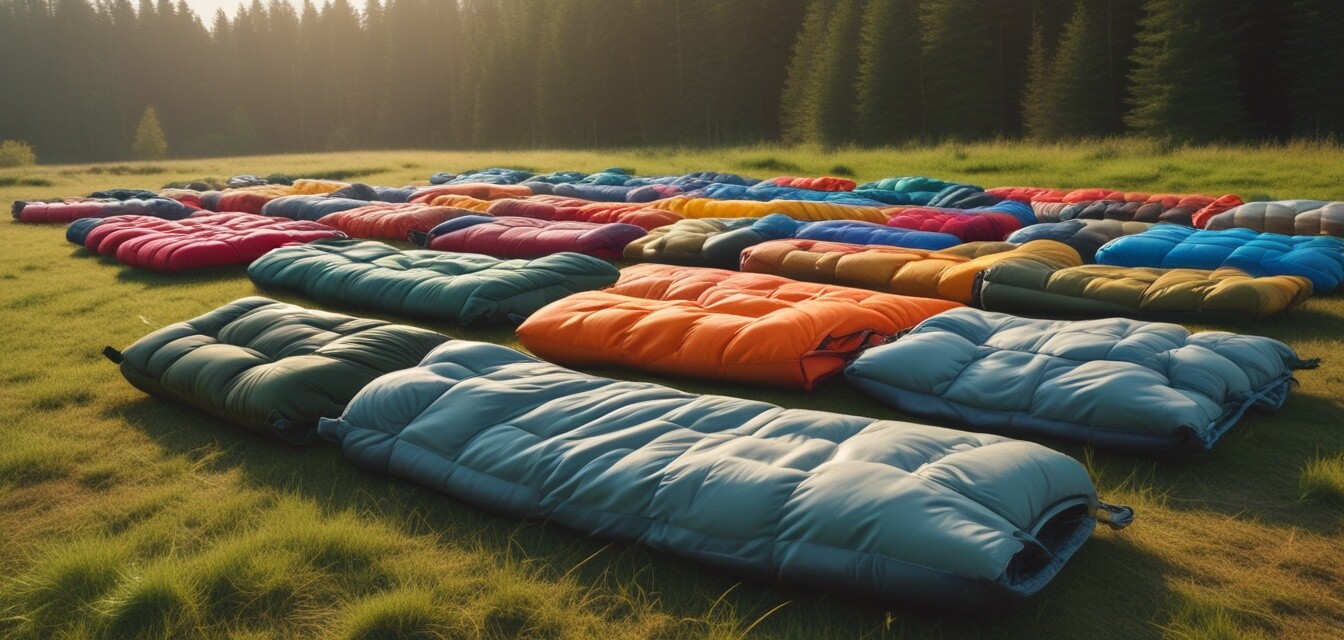
Sleeping bags come in various styles, each designed for different conditions and preferences. Here are the main types:
- Rectangular: Offers ample space and comfort, similar to a traditional blanket.
- Mummy: Designed to trap heat, these bags fit snugly around your body.
- Semi-Rectangular: A hybrid between rectangular and mummy bags, offering a balance of comfort and warmth.
Comparison of Sleeping Bag Types
| Type | Pros | Cons |
|---|---|---|
| Rectangular | Spacious, versatile | Less heat retention |
| Mummy | Excellent insulation, lightweight | Restrictive fit |
| Semi-Rectangular | Good balance of space and warmth | May not be as warm as mummy bags |
Understanding Temperature Ratings
Temperature ratings on sleeping bags indicate the lowest temperature at which you can sleep comfortably. Here’s how to interpret them:
- Summer Bags: Rated for temperatures above 35°F (1.6°C).
- Three-Season Bags: Suitable for temperatures between 10°F to 35°F (-12°C to 1.6°C).
- Winter Bags: Rated for temperatures below 10°F (-12°C).
Temperature Rating Chart
| Season | Temperature Range (°F) | Recommended Use |
|---|---|---|
| Summer | Above 35°F | Warm weather camping |
| Three-Season | 10°F to 35°F | Spring, fall, and mild winter camping |
| Winter | Below 10°F | Cold weather camping |
Materials Used in Sleeping Bags
The materials of sleeping bags can greatly affect their performance:
- Down Insulation: Lightweight and compressible, but not moisture-resistant.
- Synthetic Insulation: Insulates well even when wet, typically heavier than down.
- Outer Shell Material: Usually nylon or polyester, with water-resistant coatings.
Sleeping Pads: An Overview
Sleeping pads provide cushioning and insulation from the ground, enhancing comfort and warmth. Here are the main types:
- Air Pads: Inflate for comfort and support, lightweight and compact.
- Foam Pads: Durable and reliable, but can be bulky.
- Self-Inflating Pads: Combine foam and air for convenience and comfort.
Comparison of Sleeping Pad Types
| Type | Pros | Cons |
|---|---|---|
| Air Pads | Lightweight, compact | Can puncture easily |
| Foam Pads | Durable, affordable | Bulky to carry |
| Self-Inflating Pads | Convenient, comfortable | Heavier than air pads |
Choosing the Right Sleeping Gear
When selecting sleeping bags and pads, consider the following factors:
- Climate: Choose based on the expected weather conditions during your camping trip.
- Weight: If hiking, look for lightweight options that are easy to pack.
- Comfort Level: Ensure the sleeping bag and pad suit your personal comfort preferences.
Beginner Tips for Sleeping Gear
- Test your gear at home before heading out on a trip.
- Keep your sleeping bag clean to maintain its insulation properties.
- Invest in a high-quality sleeping pad for better sleep quality.
Maintenance of Sleeping Bags and Pads
Proper maintenance can extend the life of your sleeping gear:
- Washing: Follow manufacturer instructions for washing and drying.
- Storage: Store sleeping bags uncompressed in a cool, dry place.
- Repairs: Carry a repair kit for emergencies.
Conclusion
Understanding the basics of sleeping bags and pads is essential for a comfortable camping experience. By considering the types, temperature ratings, materials, and maintenance tips, you can make informed choices that will enhance your outdoor adventures.
Explore More
For more camping gear insights, check out our other articles: