Navigation Tools for New Campers
For those embarking on their first camping adventure, understanding how to navigate is crucial. This guide explores various navigation tools including maps, compasses, and GPS devices, providing the essential information needed for beginners to confidently explore the great outdoors.
Key Takeaways
- Maps and compasses are essential for traditional navigation.
- GPS devices provide real-time location tracking and route planning.
- Choosing the right navigation tool depends on your needs and camping environment.
- Always carry a backup navigation method when outdoors.
Understanding Navigation Tools
New campers often feel overwhelmed with various navigation tools available. Here’s a breakdown of the primary tools to help you find your way.
1. Maps
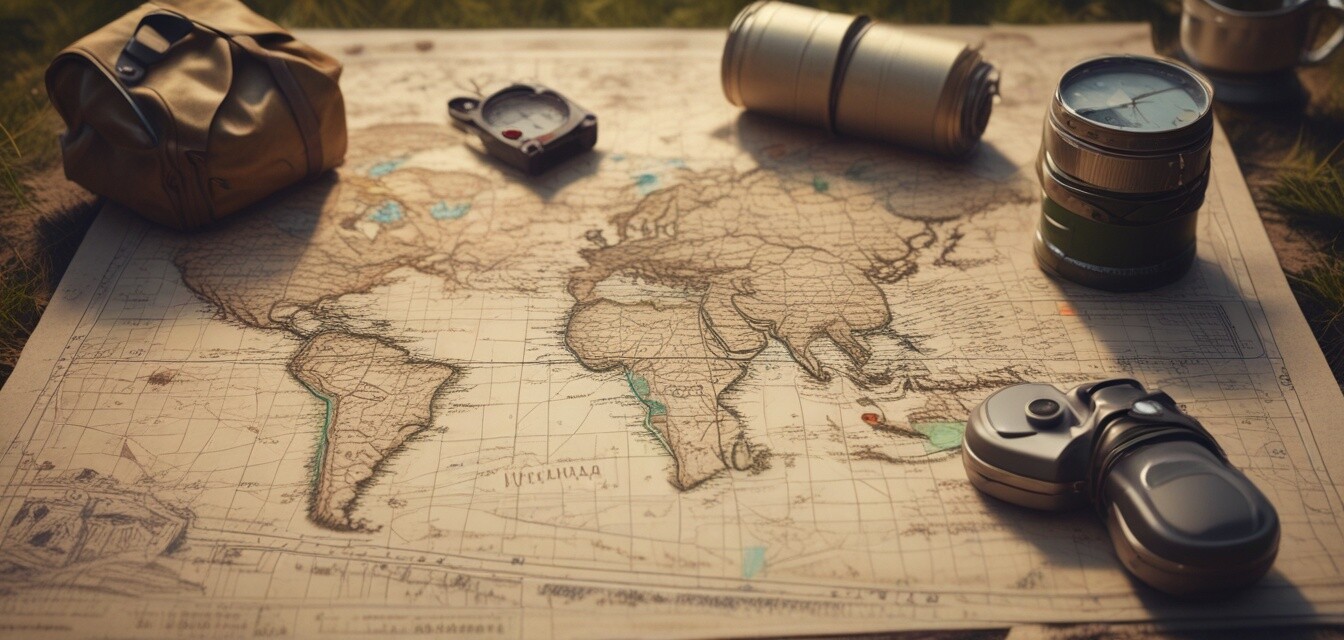
Traditional maps are a reliable source of information for any camping trip. They can provide detailed insights into the areas you are exploring.
| Type of Map | Features | Best For |
|---|---|---|
| Topographic Maps | Shows elevations, terrain types, and trails | Hiking and terrain navigation |
| Trail Maps | Focused on specific hiking trails | Detailed paths for hiking |
| Road Maps | Highlights major roads and distances | Driving to camping locations |
2. Compasses
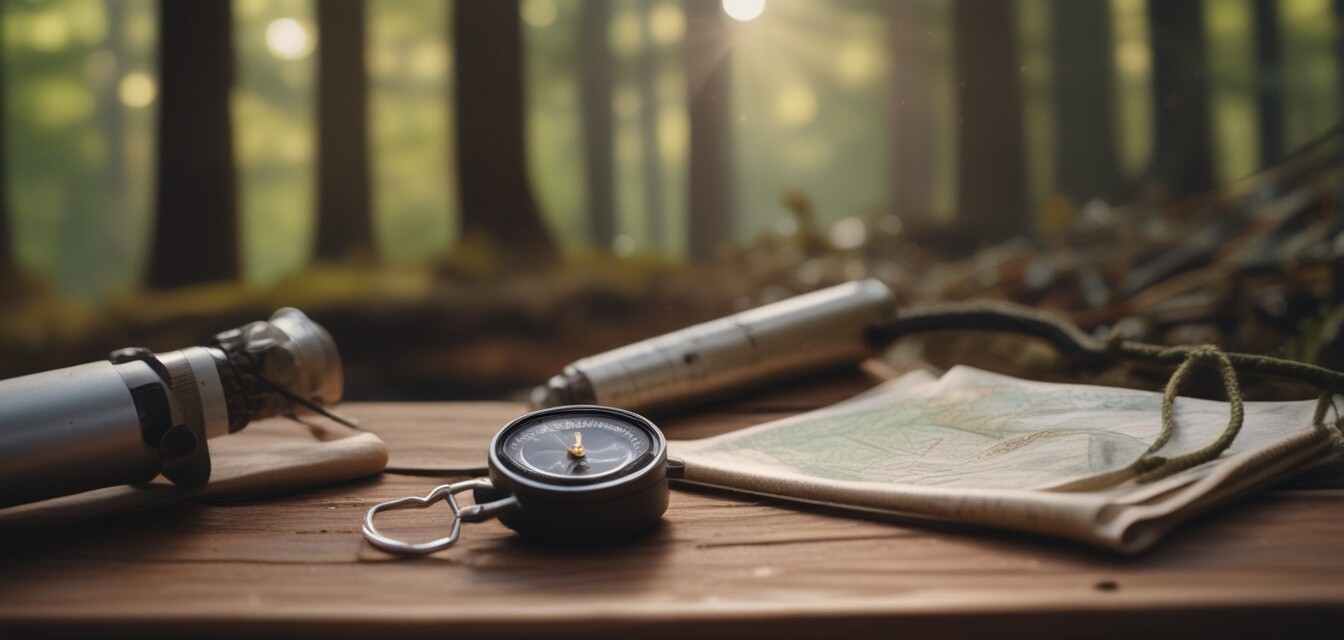
A compass is a simple yet incredibly effective navigation tool. It can help campers orient themselves when coupled with a map.
Tips for Using a Compass
- Learn the basics of map reading.
- Practice aligning a map with your compass.
- Always keep your compass level for accurate readings.
- Use landmarks to assist in navigation.
3. GPS Devices
Modern GPS devices offer an easy way to navigate through unfamiliar terrains with accurate location tracking. They are ideal for beginners due to their user-friendly interfaces.
| Device Type | Pros | Cons |
|---|---|---|
| Handheld GPS | Portable and user-friendly | Battery-dependent |
| Smartphone GPS Apps | Convenient and accessible | Limited battery life |
| Car GPS Devices | Easily navigates roads | Not effective off-road |

Choosing the Right Navigation Tool
Selecting the appropriate navigation tool depends on your personal needs and camping experiences. Consider factors such as your location, trip length, and familiarity with the area.
Things to Consider
- Your level of experience with navigation.
- The type of terrain you'll encounter.
- Emergency preparedness and backup methods.
- Availability of power sources for electronic devices.
Always Be Prepared
Regardless of which navigation tool you choose, it is crucial to be prepared. This means having a backup and understanding how to use each tool effectively.
Pros of navigation tools
- Enhances your confidence when exploring new areas.
- Helps keep you oriented in unfamiliar terrains.
- Provides information on available routes and trails.
- Can be lifesaving in emergency situations.
Cons of navigation tools
- Potential for technical failure with electronic devices.
- Maps can become damaged or lost.
- Requires knowledge and practice to use effectively.
- Some devices can be pricey for beginners.
Conclusion
Understanding and selecting the right navigation tools is essential for any beginner camper. Whether you prefer the traditional method with maps and compasses or the modern convenience of GPS devices, being equipped with the right tools will ensure a safe and enjoyable outdoor experience. Take time to practice with each tool, plan your trips carefully, and always be prepared for unexpected changes in your environment.