First-Aid Kits and Safety Essentials
Key Takeaways
- A well-stocked first-aid kit is crucial for any camping trip.
- Basic safety essentials help prevent injuries and keep your camping experience enjoyable.
- Know how to use each item in your first-aid kit to respond effectively in case of an emergency.
- Consider additional safety gear, such as insect repellent and a multi-tool, to enhance your preparedness.
As a beginner camper, ensuring you have the right first-aid kits and safety essentials can make a world of difference in creating a positive outdoor experience. Accidents can happen unexpectedly, but with the right preparations, you'll be ready to handle them. In this article, we will guide you through the importance of first-aid kits, what to keep inside, and other safety essentials to consider for a successful camping adventure.
Understanding the Importance of First-Aid Kits
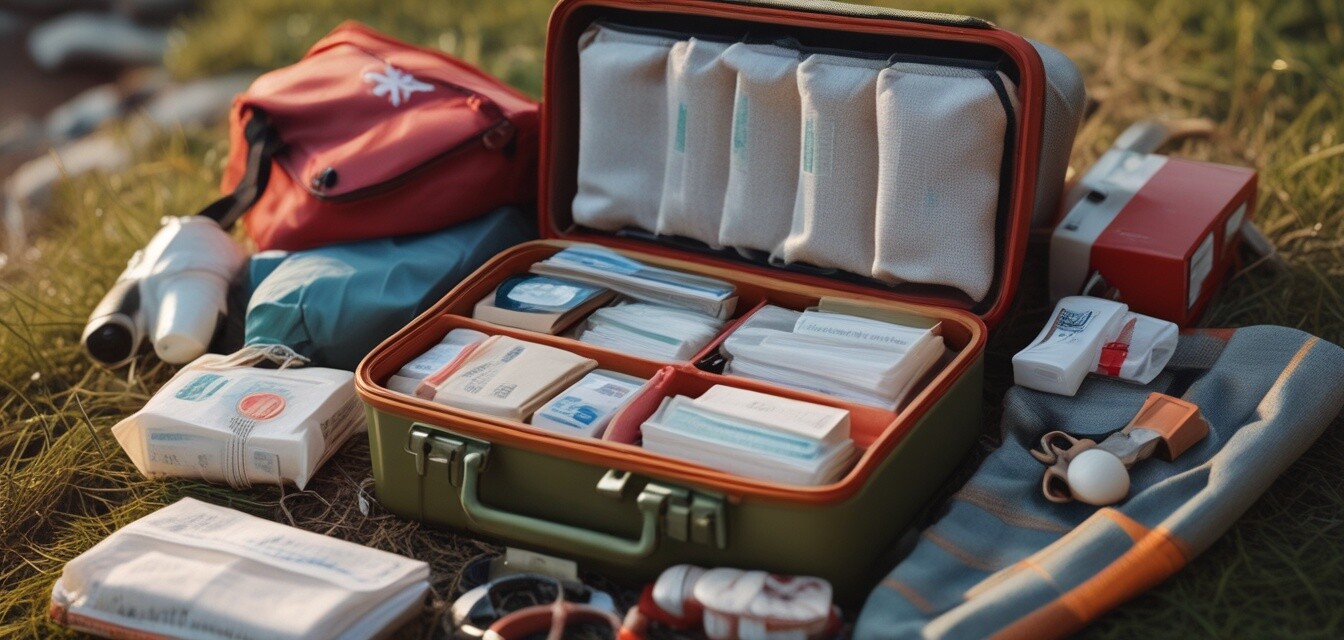
First-aid kits are an essential part of your camping gear. They help you quickly address minor injuries or health issues that can occur in the great outdoors. Here are some reasons why every camper should always carry a first-aid kit:
- Immediate response to injuries, reducing the risk of complications.
- Ensures safety and peace of mind during your trip.
- Can be a lifesaver in case of emergencies.
Types of First-Aid Kits
| Type | Description |
|---|---|
| Standard First-Aid Kit | Includes basic supplies for treating wounds and minor injuries. |
| Outdoor Adventure Kit | Specialized for outdoor use, typically includes supplies for common camping injuries. |
| Custom First-Aid Kit | Assembled based on personal needs, ideal for specific activities and conditions. |
Must-Have Items in a First-Aid Kit
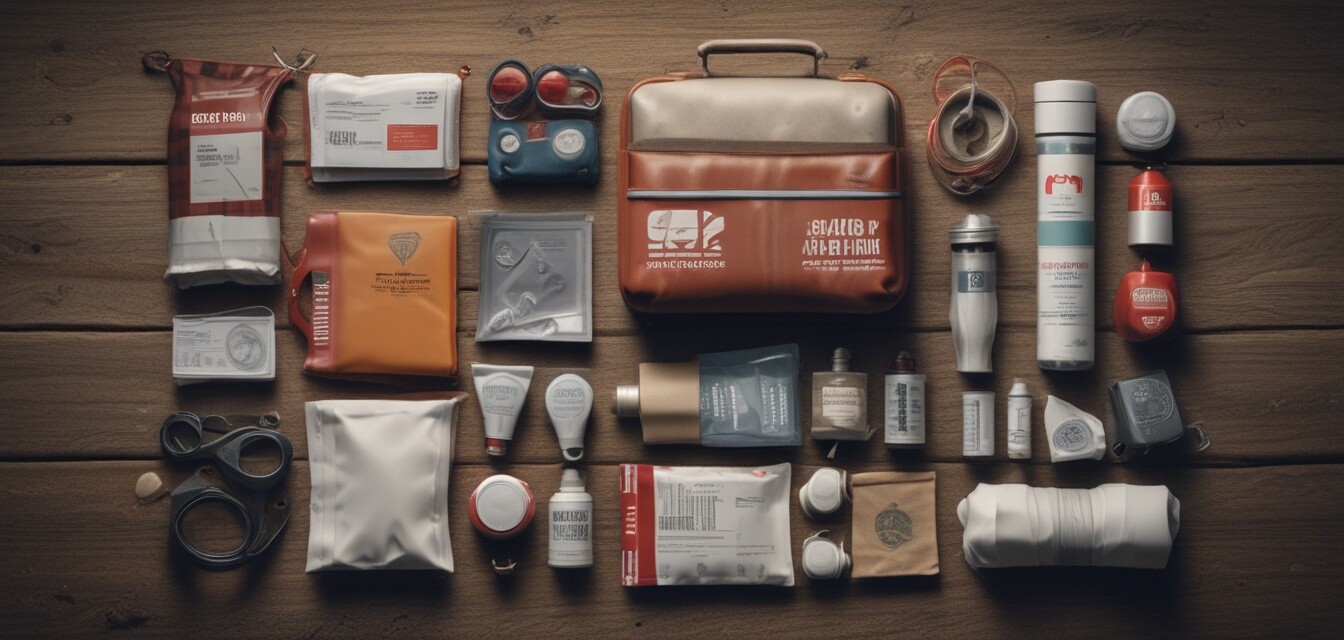
Now that you understand the importance of having a first-aid kit, let’s explore the essential items you should include:
- Adhesive bandages in various sizes
- Antiseptic wipes or solution
- Gauze pads and medical tape
- Scissors and tweezers
- Elastic bandage for sprains
- Pain relievers (ibuprofen or acetaminophen)
- Allergy medications (antihistamines)
- Burn cream or gel
- First-aid manual for reference
Additional Safety Essentials for Campers
Aside from first-aid kits, consider equipping yourself with these safety essentials:
- Flashlight or headlamp for nighttime visibility
- Multi-tool or knife for versatile tasks
- Insect repellent to protect against bites
- Emergency whistle for signaling for help
- Fire starters for cooking or warmth
- Emergency blanket for warmth and protection
Choosing the Right Location for Your Safety Gear
When packing your camping gear, the placement of your first-aid kit and safety essentials can be crucial. Make sure:
- Your first-aid kit is easily accessible and identifiable.
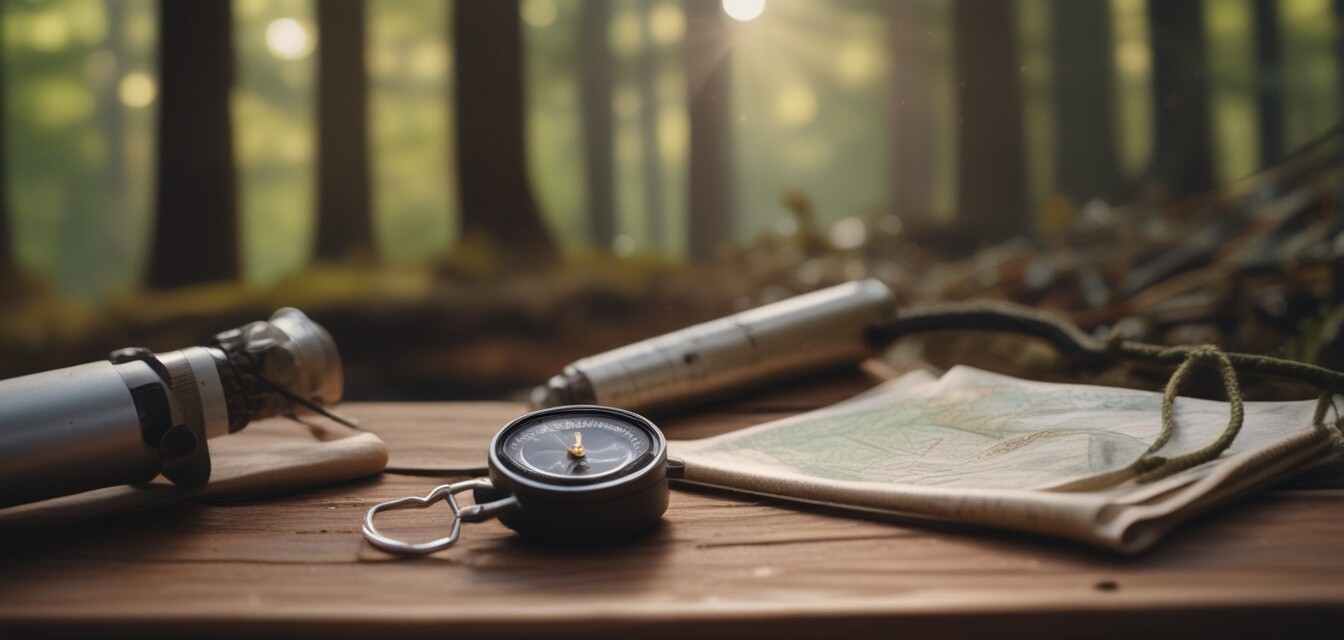
- Items like insect repellent and flashlights are stored in pockets for convenience. You can explore our lighting and navigation section for the best options.
How to Use Your First-Aid Kit
Knowing how to utilize the items in your first-aid kit is as important as having them. Always refer to a first-aid manual for guidance during emergencies. Here are some tips:
- Keep calm and assess the situation before acting.
- Determine the type of injury and gather the required supplies.
- Follow proper procedures for cleaning and dressing wounds.
- Seek professional medical assistance if necessary.
Tips for Beginners
- Familiarize yourself with the contents of your first-aid kit before your trip.
- Regularly check the kit for expired items or restock supplies.
- Practice basic first-aid techniques, such as wound dressing and CPR.
- Educate your camping companions on the location and use of the first-aid kit.
- Keep a list of emergency contacts and location details readily available.
Conclusion
Camping can be a fantastic way to reconnect with nature and relax. However, being prepared with the right first-aid kits and safety essentials is vital for ensuring a safe experience. Equip yourself with these tools, practice their use, and you will be prepared for anything that may arise during your outdoor adventures.
Pros
- Increases safety and preparedness during camping trips.
- Minimizes the risk of infections and complications from injuries.
- Helps build confidence in handling emergencies.
Cons
- Requires upfront investment for a well-stocked kit.
- Maintaining and checking supplies can be time-consuming.
- May create a false sense of security if not used correctly.